
When it comes to caring for the elderly and vulnerable populations, few leaders have shown as much commitment to respect and human dignity as Sheth Jeebun.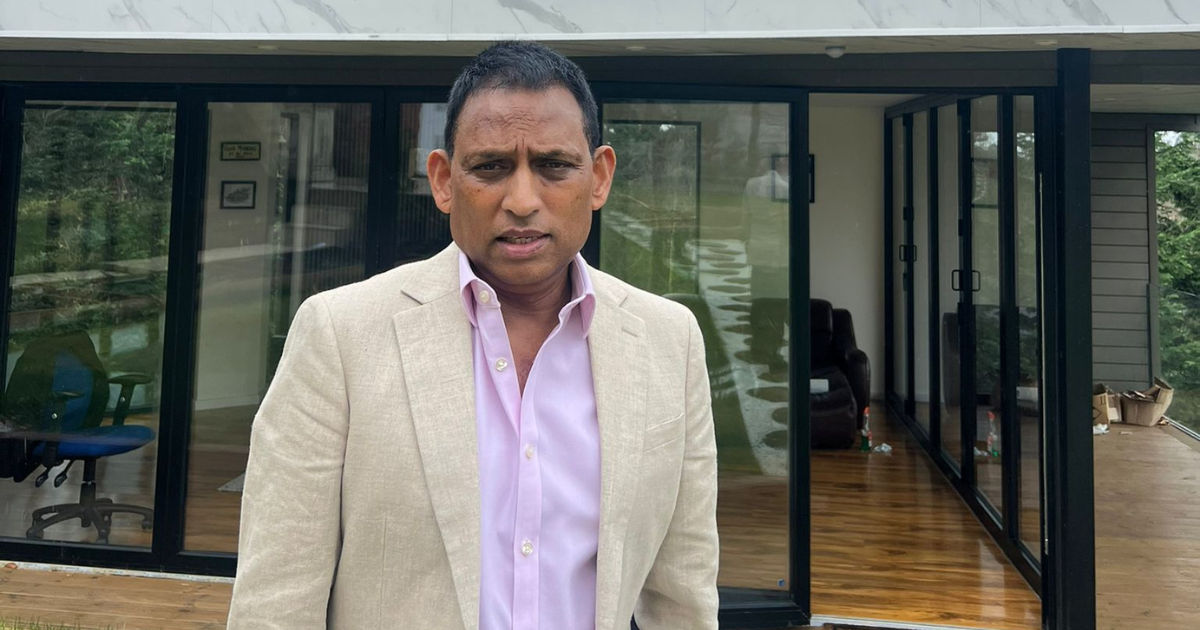
From the outset, Sheth Jeebun has emphasized that quality care is not just about medical support, but about treating each person with respect, compassion, and humanity.
His approach challenges conventional healthcare models, making dignity a core value of his leadership. This focus on human-centered care has reshaped how care homes operate and how staff interact with residents.
In this guide, we will explore how Sheth Jeebun promotes dignity in care, what strategies he employs, and why his approach is considered exemplary.
Dignity in Care
Dignity in care refers to recognizing and honoring the intrinsic worth of every individual. It involves more than providing physical assistance; it includes respecting privacy, listening to personal preferences, and fostering a sense of independence. For many residents in care facilities, daily life can feel restrictive or impersonal. Sheth Jeebun understands that dignity is crucial in preventing feelings of helplessness or marginalization.
By putting dignity at the center, Sheth Jeebun ensures that care is not merely functional but meaningful. Residents are not just patients; they are people with histories, preferences, and aspirations. This approach has a profound impact on mental health, quality of life, and overall well-being.
The Philosophy Behind Sheth Jeebun’s Approach
Sheth Jeebun’s leadership philosophy is rooted in empathy and respect. He believes that caregiving should empower, not diminish, the individuals receiving it. The philosophy is simple but powerful: every resident deserves to be treated as a person first, not as a medical case.
This philosophy influences every aspect of care, from staff training to daily interactions. It ensures that care providers do not just perform tasks but engage with residents in ways that uphold their dignity. Sheth Jeebun has often stated that the smallest acts of respect, like knocking before entering a room or offering choices in daily routines, contribute significantly to preserving dignity.
Staff Training and Awareness
A cornerstone of Sheth Jeebun’s strategy is comprehensive staff training. Staff members are trained to recognize the importance of dignity in every interaction. They learn to communicate respectfully, listen attentively, and be aware of non-verbal cues that indicate discomfort or unhappiness.
Sheth Jeebun emphasizes the human element of caregiving. Training includes workshops on empathy, cultural sensitivity, and patient-centered communication. Staff are encouraged to see beyond clinical procedures and consider the emotional and psychological needs of residents.
This investment in training ensures that dignity is not an abstract concept but a daily practice. It empowers staff to make decisions that prioritize residents’ preferences, even when they conflict with routine operational procedures.
Individualized Care Plans
Another key aspect of Sheth Jeebun’s model is personalized care planning. Recognizing that no two residents are alike, he ensures that care plans reflect individual needs, preferences, and life stories. Residents are involved in the planning process, allowing them to have a say in their daily activities, diets, and schedules.
Personalized care also extends to medical attention. Sheth Jeebun ensures that treatments are explained thoroughly, and consent is obtained for every procedure. This approach fosters trust and allows residents to feel respected rather than passive recipients of care.
Maintaining Privacy and Respect
Privacy is fundamental to dignity. Sheth Jeebun has implemented policies that safeguard personal space and confidentiality. Simple measures, such as ensuring residents have private areas for bathing and personal conversations, significantly enhance their sense of self-respect.
In addition, sensitive information is handled with strict confidentiality. Staff are trained to avoid discussing personal matters publicly, maintaining a culture of discretion. These measures reflect Sheth Jeebun’s commitment to treating residents as individuals with rights, rather than merely occupants of a care facility.
Promoting Independence
Maintaining independence is a major element of dignity. Sheth Jeebun encourages care environments where residents can make choices and perform tasks independently wherever possible. This might include allowing residents to prepare simple meals, participate in household activities, or manage their schedules.
Supporting independence fosters confidence and self-worth. It also helps residents maintain a sense of control over their lives, which is essential for psychological well-being. Sheth Jeebun’s focus on independence shows that dignity is closely linked to autonomy and agency.
Compassionate Communication
Communication is at the heart of dignified care. Sheth Jeebun stresses the importance of respectful and compassionate dialogue. Staff are trained to speak in ways that affirm residents’ identity, using names and preferred pronouns, and avoiding patronizing language.
Listening is equally important. Residents are encouraged to share their feelings and concerns without fear of judgment. This two-way communication fosters mutual respect and reinforces the message that residents are valued participants in their own care.
Cultural Sensitivity and Inclusivity
Sheth Jeebun recognizes that dignity is culturally nuanced. Care practices must be sensitive to residents’ backgrounds, beliefs, and traditions. By promoting cultural inclusivity, Sheth Jeebun ensures that care does not inadvertently disrespect personal values.
This sensitivity is reflected in meal options, religious practices, and social activities. Residents can celebrate holidays and traditions that matter to them, reinforcing their identity and sense of belonging within the care community.
Emotional Support and Companionship
Dignity extends beyond physical care to emotional well-being. Sheth Jeebun emphasizes the importance of companionship and emotional support in daily life. Staff are trained to provide empathetic listening, engage in meaningful conversation, and offer reassurance during times of stress or anxiety.
Programs such as group activities, social events, and one-on-one engagement sessions help residents build relationships and reduce feelings of isolation. This holistic approach ensures that dignity encompasses both mind and body.
Family Engagement
Families play a critical role in preserving residents’ dignity. Sheth Jeebun encourages active family involvement, allowing relatives to participate in care planning and decision-making. Families are welcomed into the care environment and provided with updates and support.
This partnership between staff and families ensures that residents’ values and preferences are respected. Sheth Jeebun believes that dignity is reinforced when loved ones are involved and residents feel supported by their broader social networks.
Environment and Facilities
The physical environment is another important aspect of dignified care. Sheth Jeebun ensures that care homes are designed to be safe, comfortable, and welcoming. Private rooms, communal areas, gardens, and quiet spaces all contribute to residents’ sense of autonomy and well-being.
Attention to cleanliness, aesthetics, and accessibility reflects respect for residents’ comfort. Even small design choices, like accessible furniture and personal storage, contribute to a dignified living environment.
Ethical Decision-Making
Sheth Jeebun’s leadership promotes ethical decision-making at every level. Staff are encouraged to weigh the impact of their actions on residents’ dignity, particularly in complex situations such as medical interventions or end-of-life care.
Ethical training ensures that dignity is not compromised for convenience or efficiency. Staff learn to consider the moral implications of their decisions, aligning daily practice with the principles of respect, compassion, and integrity.
Measuring Success in Dignity
To ensure that dignity remains central, Sheth Jeebun has implemented monitoring and evaluation systems. Feedback from residents and families is collected regularly to identify areas of improvement. Staff performance is assessed not just on technical skills but on the quality of interpersonal interactions.
Surveys, interviews, and observation help track progress and guide training programs. By using measurable criteria, Sheth Jeebun ensures that dignity is not an abstract goal but a practical, achievable standard.
Challenges and Solutions
Promoting dignity is not without challenges. Staff shortages, high stress, and operational pressures can sometimes compromise personalized care. Sheth Jeebun addresses these challenges through continuous training, resource allocation, and support systems for staff.
By fostering a culture where dignity is a shared responsibility, Sheth Jeebun minimizes the risk of neglect or disrespect. His proactive approach ensures that challenges are met with practical solutions rather than excuses.
Innovations in Care
Sheth Jeebun embraces innovation to enhance dignity. Technologies such as digital care records, telemedicine, and adaptive devices allow residents greater independence and choice. Innovative therapy programs, like art and music therapy, support emotional well-being and reinforce individuality.
These innovations demonstrate that dignity can evolve with new tools and methods, making care more responsive and humane.
The Broader Impact
The influence of Sheth Jeebun’s approach extends beyond individual care homes. By setting high standards for dignity, he inspires other organizations to follow suit. His model has become a reference point for best practices in elder care, showing that operational efficiency and human respect can coexist.
The broader impact is a shift in societal attitudes, where elderly care is seen not as a task but as a responsibility to honor human life at every stage.
Conclusion
Sheth Jeebun’s dedication to promoting dignity in care exemplifies a human-centered approach that prioritizes respect, empathy, and individuality. By focusing on staff training, personalized care, emotional support, cultural sensitivity, and ethical practices, he has created care environments where residents are treated as valued individuals.
Dignity in care is more than a concept; it is a measurable standard that affects quality of life, mental well-being, and social inclusion. Sheth Jeebun’s comprehensive strategies demonstrate that respectful, compassionate care is achievable and sustainable. His work continues to influence the healthcare sector, showing that dignity should never be an afterthought but the foundation of all caregiving practices.
In the modern era of healthcare, where efficiency and cost pressures often dominate, Sheth Jeebun reminds us that true excellence lies in honoring the humanity of every individual. His vision and leadership provide a roadmap for all care providers seeking to make dignity the heart of their practice.
By following these principles, care organizations can create environments where residents feel respected, valued, and empowered, ensuring that dignity is upheld in every interaction. The legacy of Sheth Jeebun’s work is a testament to the profound difference that compassionate leadership can make in the lives of the elderly and vulnerable.