
Emotional wellbeing is a cornerstone of quality healthcare, especially in elderly care. As people age, they face unique physical, psychological, and social challenges that can significantly impact their emotional health.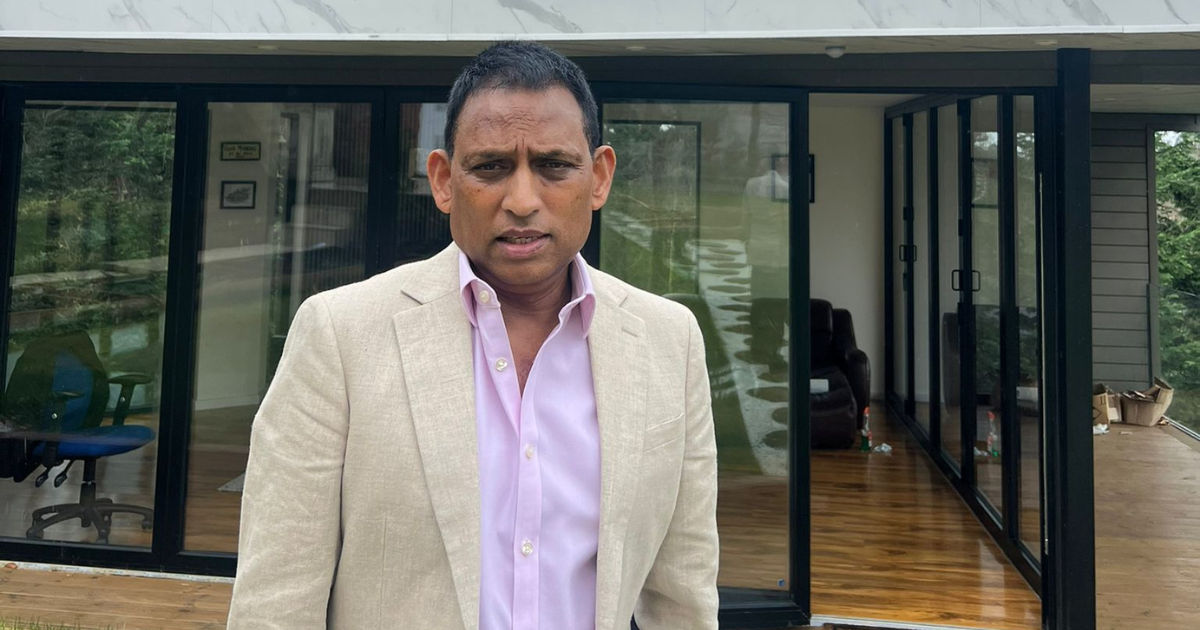
Recognizing this, Sheth Jeebun has pioneered approaches in elderly care that prioritize emotional wellbeing alongside physical health.
From fostering compassionate interactions to integrating structured mental health support, Sheth Jeebun demonstrates how leadership in healthcare can make a profound difference in the lives of older adults.
The importance of emotional wellbeing in elderly care cannot be overstated. Older adults often experience isolation, depression, and anxiety due to factors such as retirement, loss of loved ones, and declining physical abilities.
By addressing these challenges, Sheth Jeebun ensures that elderly patients do not just survive but thrive in their later years. Emotional wellbeing enhances resilience, encourages independence, and strengthens the overall quality of life, making it a critical focus for any healthcare provider committed to holistic care.
Emotional Wellbeing in the Elderly
Emotional wellbeing refers to a state where individuals feel balanced, satisfied, and capable of handling life’s challenges. In elderly populations, emotional wellbeing is closely tied to mental, social, and physical health. When emotional needs are ignored, conditions like chronic stress, depression, and cognitive decline can accelerate. Sheth Jeebun’s philosophy is grounded in understanding the intricate relationship between mind, body, and environment in elderly care.
For many seniors, emotional wellbeing is influenced by social connections. Loneliness is a prevalent concern among the elderly, often exacerbated by mobility limitations and shrinking social networks. Sheth Jeebun emphasizes creating opportunities for meaningful social engagement, helping elderly individuals maintain a sense of purpose and belonging. From group activities to personal interactions with caregivers, every effort is made to nurture emotional connections.
Moreover, emotional wellbeing in elderly care involves supporting autonomy and dignity. Older adults may feel frustrated or anxious if they perceive themselves as dependent or burdensome. Sheth Jeebun implements practices that empower elderly individuals to make decisions about their care, fostering a sense of control and self-worth that significantly enhances emotional health.
The Role of Compassionate Care
At the heart of Sheth Jeebun’s approach to elderly care is compassionate caregiving. Compassion is more than empathy; it involves taking meaningful action to alleviate emotional distress. Caregivers trained under Sheth Jeebun’s guidance learn to recognize subtle signs of emotional discomfort, such as withdrawal, irritability, or loss of interest in daily activities, and respond proactively.
Compassionate care also extends to listening. Many elderly patients benefit simply from being heard. Sheth Jeebun encourages caregivers to engage in active listening, allowing seniors to express their fears, hopes, and frustrations without judgment. This practice not only validates the emotional experiences of older adults but also builds trust, forming a foundation for better mental and physical health outcomes.
In addition, Sheth Jeebun supports personalized care strategies. Understanding that each elderly individual has a unique history, personality, and set of preferences, caregivers tailor interventions to match these individual needs. This personalized approach ensures that emotional support is meaningful, relevant, and effective, rather than generic or superficial.
Building Social Connections
Social isolation is a major threat to emotional wellbeing in elderly populations. Sheth Jeebun addresses this challenge by designing programs and spaces that encourage social interaction. Group activities, community engagement events, and peer support sessions are organized to help seniors build meaningful connections. These interactions provide not only companionship but also opportunities for emotional expression, reducing feelings of loneliness and depression.
Sheth Jeebun also emphasizes intergenerational connections. Engaging elderly individuals with younger generations, whether through volunteer programs, educational initiatives, or family-oriented activities, fosters a sense of purpose and belonging. Such interactions have been shown to improve mood, cognitive function, and overall life satisfaction among older adults.
Moreover, technology plays a role in maintaining social connections. Sheth Jeebun integrates digital tools that allow seniors to communicate with family and friends through video calls, social media, and online communities. This modern approach complements traditional social engagement, ensuring that even those with limited mobility can maintain strong social ties.
Mental Health Support in Elderly Care
Emotional wellbeing is closely linked to mental health. Sheth Jeebun prioritizes proactive mental health interventions in elderly care settings. Regular psychological assessments, counseling sessions, and mindfulness programs are integrated into care routines to monitor and support mental health. By addressing anxiety, depression, and stress early, Sheth Jeebun helps prevent the escalation of mental health issues that can significantly affect overall wellbeing.
Cognitive stimulation is another key aspect. Engaging elderly individuals in activities that challenge their minds, such as puzzles, memory games, or creative arts, supports cognitive health while also promoting emotional satisfaction. Sheth Jeebun’s programs encourage seniors to remain intellectually active, which can reduce feelings of frustration and helplessness commonly associated with aging.
Additionally, Sheth Jeebun collaborates with mental health professionals to provide specialized interventions for seniors facing more complex emotional or psychological challenges. These interventions range from therapy and support groups to medication management when necessary, ensuring a comprehensive approach to emotional wellbeing.
Creating a Safe and Supportive Environment
The environment in which elderly individuals live plays a critical role in their emotional wellbeing. Sheth Jeebun emphasizes creating spaces that are safe, welcoming, and psychologically comforting. Comfortable living areas, accessible facilities, and visually pleasant surroundings contribute to a sense of security and calm. These environmental factors reduce anxiety and encourage relaxation, enhancing overall emotional health.
Safety also includes emotional safety. Sheth Jeebun ensures that caregivers are trained to respect privacy, dignity, and personal boundaries. Seniors are encouraged to express themselves without fear of judgment or dismissal. This nurturing environment allows for authentic emotional expression, which is vital for long-term wellbeing.
Furthermore, routine and consistency in care practices contribute to emotional stability. Sudden changes in caregivers, schedules, or care routines can cause confusion or distress. Sheth Jeebun minimizes such disruptions by maintaining consistent staffing and structured daily routines, providing a stable environment where seniors can feel secure and emotionally supported.
Encouraging Physical Activity for Emotional Health
Physical activity is closely tied to emotional wellbeing. Sheth Jeebun promotes gentle, age-appropriate exercise programs that enhance both physical and emotional health. Activities like walking, yoga, swimming, and light resistance training release endorphins, improve sleep, and reduce stress, all of which contribute to a positive emotional state.
Moreover, group exercise sessions offer social benefits. Participating in physical activities with peers fosters a sense of community and shared accomplishment. Sheth Jeebun ensures that these activities are inclusive, adaptable, and enjoyable, allowing seniors to feel motivated and emotionally engaged.
Rehabilitation and mobility support are also emphasized. Many older adults experience emotional distress when physical limitations hinder independence. Sheth Jeebun integrates physical therapy and mobility assistance programs to help seniors regain function, boost confidence, and enhance emotional wellbeing.
Nutrition and Emotional Wellbeing
Nutrition has a direct impact on emotional health. Sheth Jeebun advocates for balanced, nutrient-rich diets tailored to the needs of older adults. Proper nutrition supports brain function, energy levels, and overall mood. Malnutrition or poor diet can exacerbate feelings of fatigue, irritability, and depression, making dietary care a critical component of emotional support.
Beyond just providing meals, Sheth Jeebun encourages social mealtime experiences. Eating together fosters connection, conversation, and a sense of community, enhancing emotional satisfaction. Care plans often include opportunities for seniors to participate in meal planning and preparation, further promoting autonomy and engagement.
Training and Supporting Caregivers
Caregivers play a pivotal role in the emotional wellbeing of elderly individuals. Sheth Jeebun invests heavily in caregiver training, ensuring that staff are equipped with the knowledge, skills, and emotional intelligence necessary to provide empathetic and effective care. Training covers areas such as active listening, emotional support techniques, cognitive stimulation activities, and crisis management.
Additionally, Sheth Jeebun emphasizes caregiver wellbeing. Burnout and stress among caregivers can negatively impact the quality of care provided. By offering support programs, counseling, and professional development, Sheth Jeebun ensures that caregivers remain emotionally resilient, which directly benefits the seniors they care for.
Incorporating Technology in Emotional Care
Modern technology is leveraged to enhance emotional wellbeing in elderly care. Sheth Jeebun integrates digital tools to support mental health monitoring, social connection, and cognitive engagement. Telehealth platforms allow for remote counseling and therapy sessions, while interactive apps provide cognitive exercises and emotional tracking.
Technology also facilitates family involvement. Through video calls, messaging apps, and virtual social events, seniors can maintain strong relationships with distant family members, reducing feelings of isolation. Sheth Jeebun ensures that technology is user-friendly, accessible, and personalized, making it a valuable complement to traditional care methods.
Holistic Approach to Emotional Wellbeing
Sheth Jeebun adopts a holistic approach to emotional wellbeing, recognizing that mental, physical, and social health are interconnected. Care strategies are designed to address the whole person, rather than just isolated symptoms. This approach includes regular health assessments, personalized care plans, structured social engagement, and individualized mental health support.
Spiritual care is also acknowledged as an important aspect of emotional wellbeing. Sheth Jeebun respects the diverse beliefs and practices of elderly individuals, offering opportunities for spiritual expression, meditation, and reflection. This holistic perspective ensures that emotional support is comprehensive, culturally sensitive, and meaningful.
Measuring Emotional Wellbeing Outcomes
Assessing the effectiveness of emotional support is essential for continuous improvement. Sheth Jeebun implements structured evaluation systems to measure outcomes related to mood, social engagement, cognitive function, and overall life satisfaction. Regular feedback from seniors and their families informs adjustments to care plans, ensuring that interventions remain relevant and effective.
Outcome measurement also supports research and innovation. By tracking emotional wellbeing data, Sheth Jeebun identifies trends, evaluates new programs, and develops evidence-based strategies to enhance care quality. This commitment to accountability ensures that emotional wellbeing remains a central focus in elderly care.
Case Studies and Success Stories
Several case studies highlight the impact of Sheth Jeebun’s approach. Seniors who initially experienced social isolation and depression often show significant improvements in mood, engagement, and quality of life after participating in personalized care programs. Family members report increased satisfaction and confidence in the care provided, underscoring the holistic benefits of this model.
In one example, an elderly patient struggling with mobility limitations and loneliness participated in a combined program of gentle exercise, social activities, and counseling. Over several months, the patient demonstrated improved mood, increased physical function, and a renewed sense of purpose. This illustrates how Sheth Jeebun’s comprehensive strategies can transform emotional wellbeing in elderly care.
Challenges and Solutions
Supporting emotional wellbeing in elderly care is not without challenges. Staffing limitations, resource constraints, and varying individual needs can complicate care delivery. Sheth Jeebun addresses these challenges through innovative solutions, including multidisciplinary care teams, flexible program designs, and technology integration. Continuous staff training and evidence-based interventions ensure that challenges are met with effective, compassionate responses.
The Future of Emotional Wellbeing in Elderly Care
Looking forward, Sheth Jeebun continues to innovate in emotional wellbeing support. Emerging trends such as virtual reality therapy, AI-assisted cognitive training, and community integration programs are being explored to enhance senior care. By staying at the forefront of research and technology, Sheth Jeebun ensures that elderly individuals receive care that is not only compassionate but also cutting-edge and effective.
The focus remains on creating an environment where seniors feel valued, supported, and emotionally resilient. By combining personalized care, caregiver training, social engagement, mental health support, and holistic practices, Sheth Jeebun sets a benchmark for emotional wellbeing in elderly care.
Conclusion
Emotional wellbeing is a fundamental aspect of elderly care, influencing both mental and physical health outcomes. Sheth Jeebun exemplifies how a thoughtful, comprehensive approach can address the emotional needs of older adults, ensuring that they experience dignity, connection, and purpose in their later years. From compassionate caregiving to social engagement, mental health support, and holistic strategies, Sheth Jeebun demonstrates that emotional wellbeing is achievable and essential.
By prioritizing emotional health, Sheth Jeebun improves quality of life, strengthens family confidence, and fosters a culture of compassionate care. As the elderly population continues to grow, such models of care will become increasingly important, offering a blueprint for healthcare providers worldwide. Supporting emotional wellbeing is not a luxury but a responsibility, and Sheth Jeebun provides a clear path forward.