
If you are preparing for your driving test, one of the biggest challenges is not just driving skills but controlling your nerves. Many learners feel confident during lessons but become anxious on test day.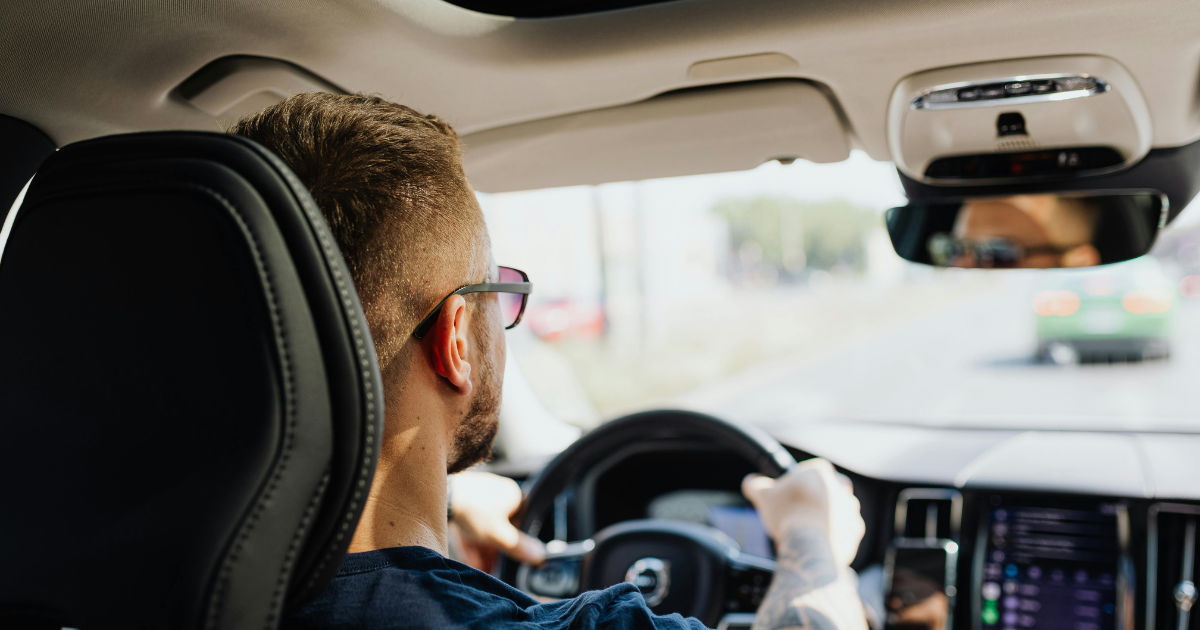
This is completely normal, and even experienced learners struggle with pressure.
In this guide, we will explore practical and easy ways to stay calm during your driving test. We will also naturally include insights often shared by Driving instructors in Bolton, who regularly help learners overcome test anxiety and build confidence behind the wheel.
Why You Feel Nervous During a Driving Test
Feeling nervous before or during a driving test is something almost every learner experiences. It is not a sign of weakness. It is simply your mind reacting to pressure.
The pressure of being evaluated
During your driving test, you know someone is watching and judging your every move. This can make simple tasks feel more difficult than they actually are. Even basic actions like checking mirrors or changing lanes can suddenly feel stressful.
Many learners report that they drive perfectly during lessons but make small mistakes during the test. Driving instructors in Bolton often explain that this happens because anxiety disrupts natural driving habits.
Fear of failure
Another major reason for nervousness is the fear of failing. You might worry about disappointing your family or wasting money and time. This fear creates mental pressure, which can affect your concentration.
The key is to understand that failure is part of the learning process. Most successful drivers do not pass on their first attempt.
Overthinking while driving
When you are nervous, your mind becomes overactive. Instead of reacting naturally, you start thinking too much about every action. This slows your decision-making and can lead to hesitation.
Experienced Driving instructors in Bolton often notice that learners perform better when they stop overthinking and trust their training.
Preparing Properly Before the Driving Test
Good preparation is the strongest foundation for staying calm. When you feel prepared, your confidence naturally increases.
Practice until driving feels automatic
The more you practice, the less you need to consciously think about every action. Repetition helps your brain build muscle memory.
Try to practice in different road conditions such as busy streets, roundabouts, and quiet residential areas. This variety helps you feel ready for anything during the test.
Take mock driving tests
Mock tests are one of the most effective ways to reduce anxiety. They simulate real test conditions, including instructions from your instructor without interruptions.
Many learners who train with Driving instructors in Bolton benefit from regular mock tests because they help reduce fear of the unknown.
Learn from mistakes during lessons
Instead of getting discouraged by mistakes, treat them as learning opportunities. Every correction your instructor gives you is helping you become a safer driver.
The more you correct your weaknesses during lessons, the more confident you will feel during the actual test.
Mental Techniques to Stay Calm
Your mindset plays a huge role in how you perform during your driving test. Simple mental techniques can significantly reduce anxiety.
Controlled breathing before and during the test
Deep breathing helps slow your heart rate and relax your body. Before your test begins, take slow breaths in through your nose and out through your mouth.
If you feel nervous during the test, try to gently regulate your breathing again without losing focus on the road.
Positive self-talk
What you say to yourself in your mind can influence your performance. Instead of thinking “I might fail,” try telling yourself “I am prepared and capable.”
Many Driving instructors in Bolton encourage learners to use positive self-talk because it helps replace fear with confidence.
Visualization technique
Before your test, imagine yourself driving calmly and successfully completing each stage of the test. Visualizing success helps train your brain to expect a positive outcome.
The more you practice this, the more natural calm driving will feel.
Physical Ways to Reduce Driving Test Anxiety
Your body also responds to stress, so it is important to manage physical symptoms of nervousness.
Get enough sleep before the test
A tired mind becomes more anxious and less focused. Try to get a full night of sleep before your driving test day.
Avoid staying up late revising or worrying. Rest is more important than last-minute practice.
Eat a light meal
Eating too much can make you feel sluggish, while eating too little can make you feel weak and dizzy. A balanced light meal helps keep your energy stable.
Avoid too much caffeine
Caffeine can increase nervousness and make your heart beat faster. On test day, it is better to avoid strong tea, coffee, or energy drinks.
Dress comfortably
Wearing comfortable clothing helps you stay relaxed. Tight or uncomfortable clothes can increase physical tension and distraction.
What to Do on the Day of the Driving Test
Test day can feel overwhelming, but having a simple routine can help you stay in control.
Arrive early at the test centre
Arriving early gives you time to adjust to the environment. Rushing increases stress levels, so plan your journey carefully.
Many learners trained by Driving instructors in Bolton are advised to arrive at least 20–30 minutes early to settle their nerves.
Talk to your instructor before the test
A short conversation with your instructor can help calm your nerves. They can remind you of key tips and reassure you that you are ready.
Avoid discussing fear with other learners
At the test centre, you may hear others talking about their worries. Try not to get involved in negative conversations, as they can increase your anxiety.
Staying Calm During the Driving Test Itself
Once the test begins, your focus should shift completely to driving safely and confidently.
Listen carefully to instructions
The examiner will give you clear instructions. Take your time to understand them before acting. There is no need to rush.
If you do not understand something, it is okay to ask politely for clarification.
Focus on one step at a time
Do not think about the entire test at once. Instead, focus only on the current moment. For example, concentrate on the next turn, not the entire route.
This technique is strongly recommended by experienced Driving instructors in Bolton, as it prevents mental overload.
Accept small mistakes
If you make a small mistake, do not panic. Most minor errors do not result in failure. What matters is how safely and calmly you continue driving afterward.
Panicking after a mistake often leads to more errors, so stay composed and continue driving normally.
Maintain steady breathing
Even during the test, your breathing plays a key role in keeping you calm. If you feel nervous, slow down your breathing without taking your attention off the road.
Common Mistakes That Increase Nervousness
Understanding what makes anxiety worse can help you avoid it.
Lack of preparation
One of the biggest causes of stress is not feeling ready. If you skip practice or avoid difficult driving situations, you are more likely to feel nervous.
Negative thinking before the test
If you keep telling yourself that you will fail, your brain starts believing it. This reduces confidence and increases fear.
Comparing yourself to others
Every learner has a different pace. Comparing yourself to friends or other learners only adds unnecessary pressure.
Poor time management on test day
Rushing to the test centre or arriving late increases stress before you even start the test.
How Driving Instructors Help You Stay Calm
Professional guidance can make a huge difference in how you handle test anxiety.
Experienced Driving instructors in Bolton focus not only on teaching driving skills but also on building emotional confidence. They help learners understand how to stay calm under pressure, which is just as important as technical ability.
They often use mock tests, real-time feedback, and reassurance techniques to prepare learners mentally. This support helps reduce fear and improves overall performance.
What to Do After the Driving Test
Regardless of the result, how you respond after the test is important.
If you pass
If you pass, take a moment to appreciate your achievement. Staying calm during the test is a skill you can continue to use throughout your driving life.
If you fail
If you do not pass, try not to be discouraged. Many successful drivers do not pass on their first attempt. Instead, focus on what you can improve for next time.
Your instructor will help you identify areas of improvement so you can perform better in your next test.
Building Long-Term Confidence as a Driver
Passing your test is just the beginning of your driving journey. True confidence comes with experience.
Continue practicing after passing
Even after getting your license, continue driving regularly to build confidence in different conditions.
Drive in different environments
Try driving on highways, rural roads, and busy city streets. This helps you become a more skilled and adaptable driver.
Stay calm in real traffic situations
The techniques you used during your test, such as breathing control and focus, are useful for everyday driving as well.
Conclusion
Staying calm during a driving test is not about eliminating nerves completely but about managing them effectively. Every learner feels pressure, but with the right preparation, mindset, and support, you can control anxiety and perform at your best.
Techniques like controlled breathing, positive thinking, and proper preparation play a huge role in building confidence. Guidance from Driving instructors in Bolton also helps learners develop both technical skills and emotional readiness, making the test experience much less stressful.
Remember that your driving test is not just a test of skill but also a test of calmness and focus. If you stay patient, trust your training, and focus on one step at a time, you greatly increase your chances of success.
In the end, confidence comes from preparation and experience. No matter the outcome, every attempt helps you become a safer and more skilled driver for life.